Issue 005
Topic: Scams and safety
How to Stop Falling for Online Scams
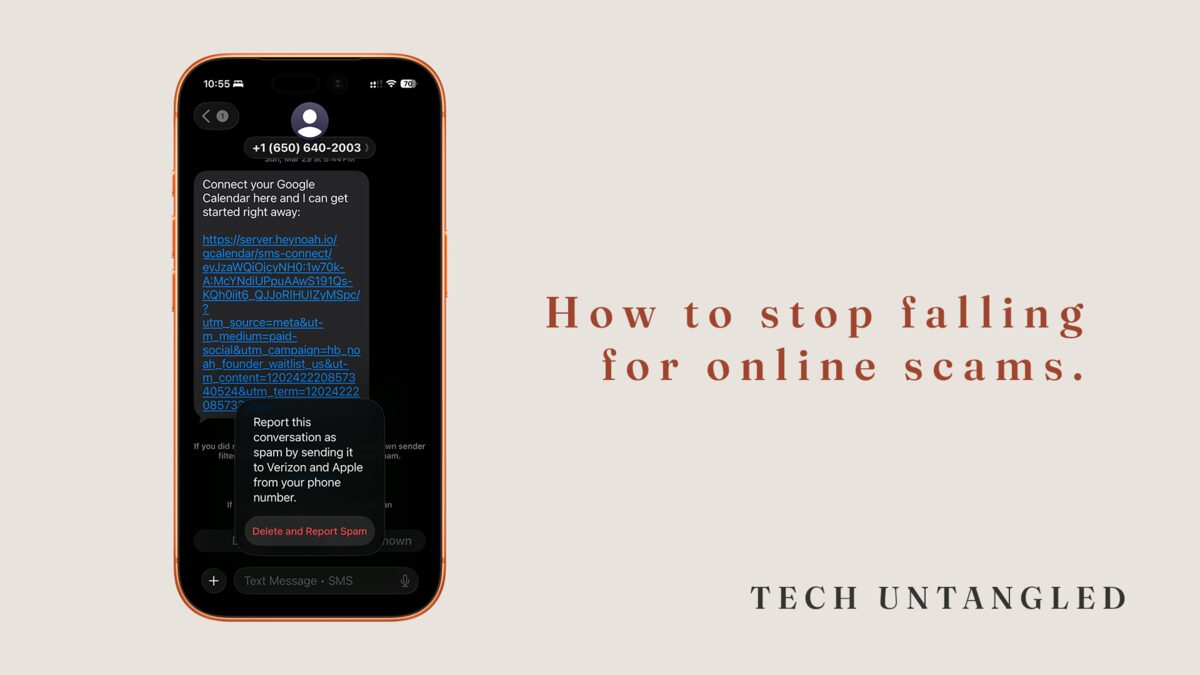
Most online scams don’t work because people are foolish.
They work because they’re engineered to bypass logic and trigger urgency, trust, or fear before you have time to think clearly.
Today’s scams aren’t loud or obvious. They’re quiet, personal, and convincing. They look like normal work messages. Familiar brands. Routine requests. Sometimes they even appear to come from people you know.
This issue isn’t about making you paranoid.
It’s about giving you one simple way to slow the moment down and see what’s actually happening.
The Pattern Behind Nearly Every Scam
Nearly every scam relies on the same three levers:
- Urgency
- Authority
- Isolation
When all three show up together, your odds of being tricked increase dramatically.
Scammers don’t need you to be careless.
They just need you to be busy.
What People Actually Fall For Today
These are the scams catching real people right now:
- Shipping notices that look like Amazon, UPS, or FedEx
- Password reset emails that perfectly mimic real services
- Texts claiming to be from your bank or credit card company
- Messages that appear to come from a boss or coworker asking for quick help
- Pop-ups warning your device is infected and needs immediate action
Notice the pattern: nothing dramatic. Nothing obviously suspicious. Just believable interruptions designed to rush you.
The One Simple Thing That Stops Most Scams
Name the reflex: pause and verify out of band.
Slow the moment down.
Any message that pressures you to act immediately deserves skepticism, even if it looks legitimate.
Before clicking, replying, or calling, ask one question:
How would I verify this without using the link or number they gave me?
That pause removes the scammer’s advantage.
Open a new browser tab.
Log into the service directly.
Contact the person through a different app or number.
If it’s real, it will still be there in five minutes.
What Scammers Rely on You Not Knowing
- Real companies do not ask for passwords over email or text
- Real banks do not threaten immediate account closure via text
- Real support teams do not demand payment in gift cards or crypto
- Real emergencies can always be verified through a second channel
Scammers win when people aren’t sure where the real line is.
Clarity removes their leverage.
Why Smart People Still Get Tricked (Including Me)
This part matters.
People who get scammed often feel embarrassed afterward. That embarrassment keeps them quiet. Silence allows scams to keep working.
Falling for a scam isn’t a character flaw.
It’s what happens when a system designed for speed meets pressure.
The solution isn’t being smarter.
It’s having better defaults.
Reporting and Unsubscribing: What Actually Helps
One of the most overlooked defenses against scams isn’t spotting them.
It’s reporting them correctly .
When phishing goes unreported, scammers keep using the same tactics on thousands of other people. When it’s reported, email and phone systems learn faster.
When You Should Report a Message
You should report any message that:
- Pretends to be a real company or person
- Asks you to click, reply, download, or pay
- Creates urgency or fear
- Feels even slightly “off”
Reporting matters because it trains spam filters, protects other people, and reduces how often these messages reach real inboxes.
How to Report Safely
Email:
- Use your email app’s built-in “Report phishing” or “Report spam” option
- Do not reply
- Do not click links
- Do not forward it to friends
Text messages:
- On most phones, long-press the message and report it as spam
- If your carrier allows, forward the message to 7726 (SPAM)
This helps carriers and providers shut down scam campaigns faster.
Should You Click “Unsubscribe”?
Here’s the rule most people don’t hear clearly enough:
Only click “Unsubscribe” if you are confident the sender is legitimate.
Legitimate companies:
- You recognize them
- You knowingly signed up
- Their emails come from consistent, branded addresses
- The unsubscribe process feels normal and boring
Scam or questionable messages:
- Do not click unsubscribe
- Do not interact at all
- Report and delete instead
Clicking unsubscribe in a scam email can confirm that your address is real and monitored. That can increase future targeting.
The Safer Default
When in doubt:
- Report it
- Delete it
- Move on
A clean inbox comes from fewer interactions, not more.
Silence is safer than curiosity.
Reporting scams helps everyone. Ignoring them correctly protects you.
The Habit That Actually Works
Build one reflex:
When something feels urgent and digital, verify it out of band.
Different app.
Different device.
Different contact method.
That habit alone eliminates most real-world scams.
The Bottom Line
Online scams aren’t really about technology.
They’re about timing, pressure, and distraction.
As more of life moves online, the ability to pause becomes a form of protection.
Digital confidence doesn’t come from knowing everything.
It comes from knowing when to slow down.